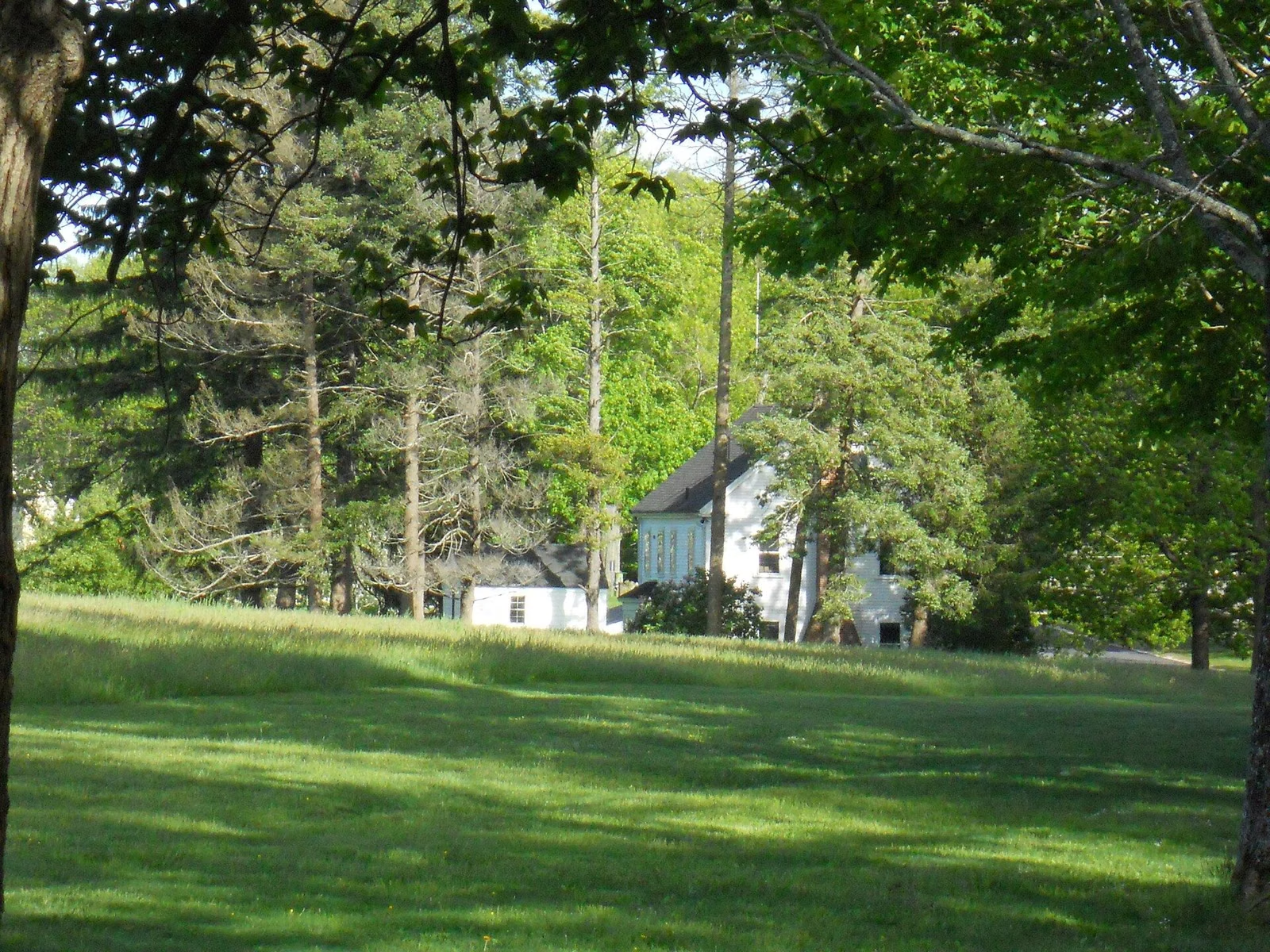
About the Park & Its History
Maudslay State Park was the Moseley family's country estate, Maudesleigh, assembled along the Merrimack River in Newburyport by 1900 and bought by the Commonwealth of Massachusetts in 1985. Today it is a 480-acre state park run by the Massachusetts Department of Conservation and Recreation (DCR). No mansions remain, but the family's gardens, carriage roads, stone bridges, flowering pond and house sites are still there, and DCR lists Maudslay as a historic site.
History at a Glance
The Laurel Grounds and the Feast of Flowers
Before it was an estate, the riverbank here was known for its mountain laurel. DCR says the laurels have covered the banks of the Merrimack for centuries. From 1849 to 1870, Mr. and Mrs. William Ashby of Newburyport hosted yearly literary parties at the Laurel Grounds called the Feast of Flowers. Their guests included the poet John Greenleaf Whittier, who wrote several poems about the place.
The Moseley Family
The Moseleys, whom DCR describes as one of the wealthiest families in New England, settled in Newburyport in 1805. In the 1860s Edward Moseley began buying parts of the Laurel Grounds to protect them, and left the land to his son Frederick. The family kept adding neighboring land, and by 1900 they had put together a large estate. They named it Maudesleigh, later spelled Maudslay, after the family's ancestral home in England.
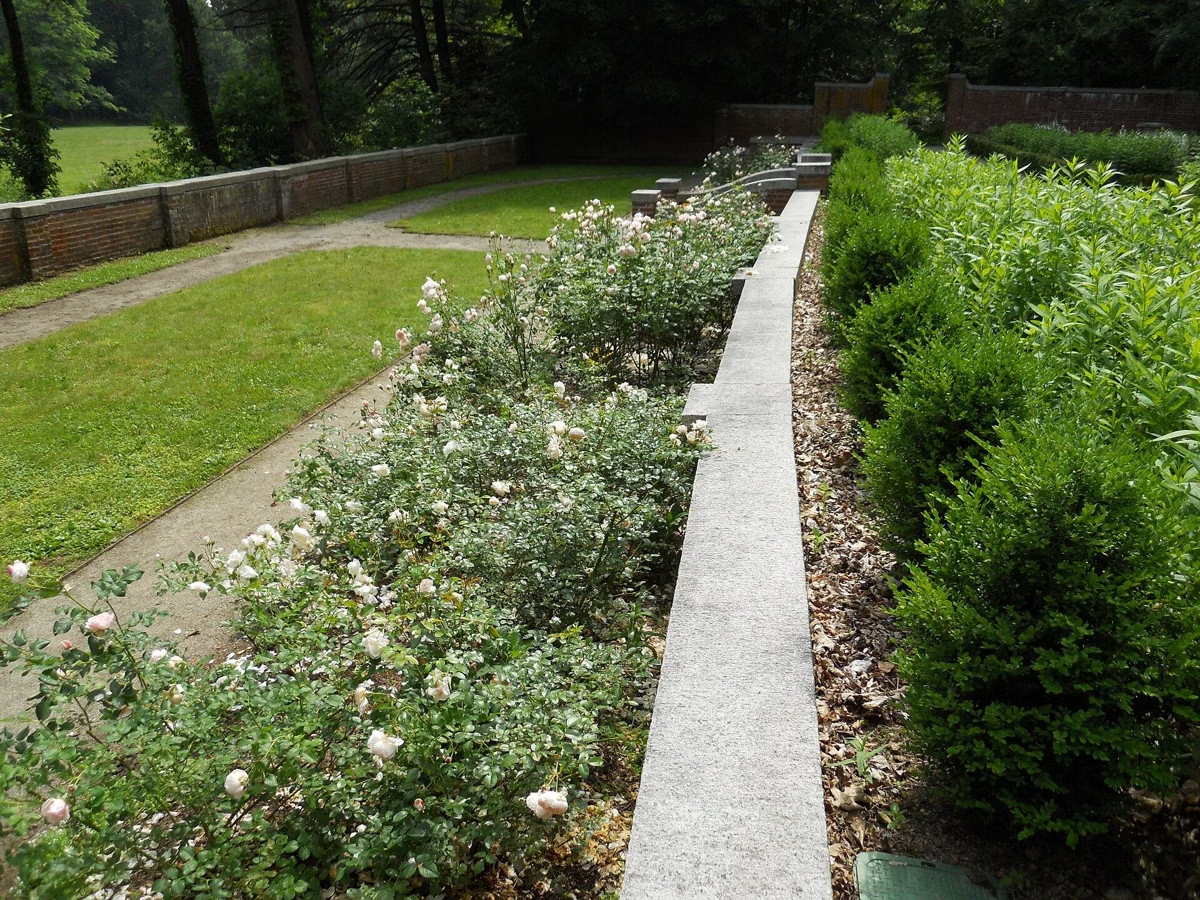
In 1895 Frederick Moseley began turning a small farmhouse overlooking the river into a spring and fall residence of more than forty rooms. The family planted ornamental trees and masses of azaleas and rhododendrons, laid out formal gardens and a pond ringed with flowering shrubs, and built carriage roads, trails and several stone bridges. See trails.
Moulton's Castle and Castle Hill
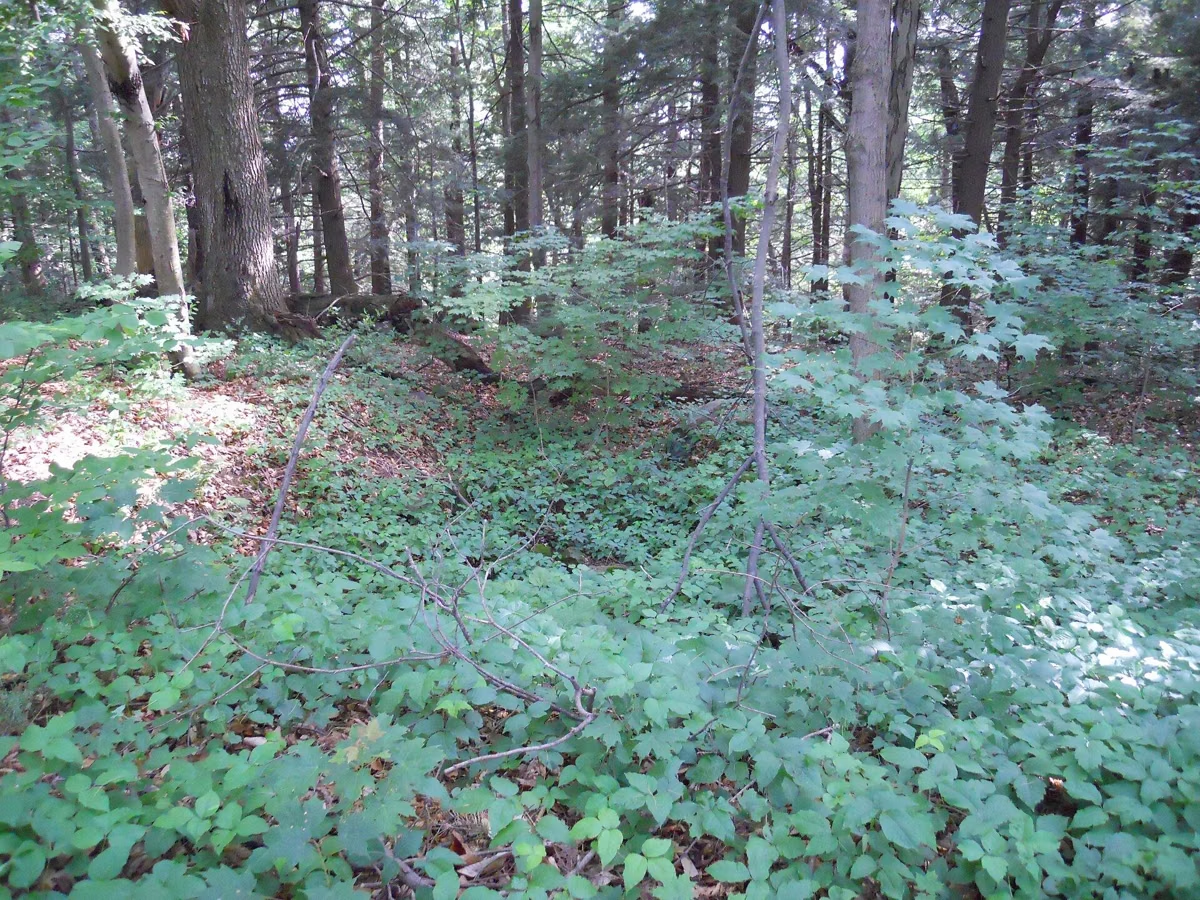
On the east side of Laurel Hill stood Moulton's Castle, a 22-room wooden Gothic house built by Captain Henry Moulton, whom DCR's interpreters describe as a Civil War veteran. Charles Moseley bought the castle and had it razed in 1900; it later passed to his brother Frederick. The hill is Castle Hill on DCR's map, and the Merrimack River Trail circles it. In the 1920s Frederick and his wife bought the last parcel on the hill's west side from Katherine Tingley, who had staged outdoor Shakespeare performances there.
Maudslay Hedges and the End of the Houses
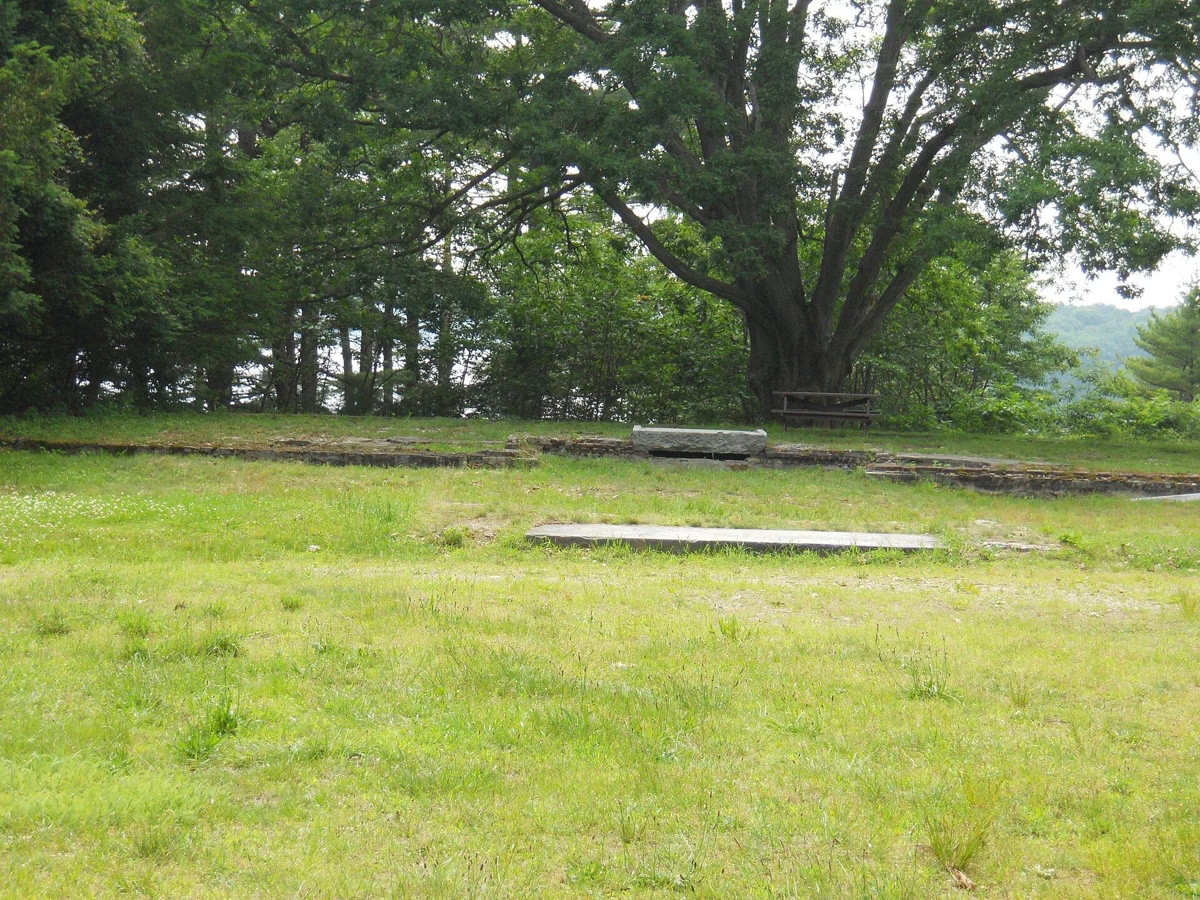
Between 1939 and 1941 the Moseleys' second daughter, Helen, built a large colonial-style house on another river site and named it Maudslay Hedges. Neither house survives. The main house was demolished in 1955, after the deaths of Frederick and his wife Helen, and fire destroyed the younger Helen's house in 1979. Both are now marked on DCR's map as the Main House Site and the Helen Moseley House Site, and the second is a scenic vista over the river.
A State Park Since 1985
The Commonwealth acquired the estate in 1985. DCR says it is working to preserve Maudslay's historic and scenic landscape and has plans to restore many of the gardens and specimen plantings that give the park its character. The Friends of Maudslay, a volunteer group, works with DCR on projects including the pond and dam, the stone house and the garden walls.
Arts in the Park
Performance has a long history here, from Katherine Tingley's open-air Shakespeare to today. As part of DCR's artists-in-residence program, the Theater-in-the-Open offers performances, workshops and events, and the barn in the Farm Complex is used for seasonal concerts and rentals. The Maudslay Arts Center, which DCR describes as a private venue in the park, is part of that picture (see weddings and events).
History You Can Walk To
- Main House Site and the Italian and Rose Gardens, north of the entrance.
- Helen Moseley House Site, a scenic vista on the river.
- The three-arch stone bridge off the Pasture Trail, on DCR's introductory walk.
- The Flowering Pond and its dam.
- Castle Hill, site of Moulton's Castle.
- Bootlegger's Field in the northeast corner, the subject of a DCR interpreter hike about the area's mysteries.
Who Runs the Park Today
Maudslay State Park is managed by the Massachusetts Department of Conservation and Recreation (DCR), which runs free interpretive programs here, including history hikes. For official notices and the current program calendar, see DCR's park page. Plan with hours, parking and the trail map; 16 miles of trails link every site above.
History FAQ
What was Maudslay State Park before it was a park?
The Moseley family's country estate, Maudesleigh (later Maudslay), assembled along the Merrimack River by 1900.
When did Maudslay State Park become a state park?
The Commonwealth of Massachusetts acquired it in 1985.
Is the Moseley mansion still standing at Maudslay State Park?
No. The main house was demolished in 1955, and Helen Moseley's house, Maudslay Hedges, burned in 1979. Their sites are marked on DCR's map.
Why is it called Castle Hill at Maudslay State Park?
For Moulton's Castle, a 22-room wooden Gothic house built by Captain Henry Moulton on the hill and razed in 1900.
How This Site Checks Facts
This is an independent visitor guide to Maudslay State Park. It is not run by or affiliated with the Massachusetts Department of Conservation and Recreation (DCR).
Hours, fees, rules and trail figures are checked against the DCR page for Maudslay State Park, last on October 18, 2026. Where this site and the agency differ, the agency is right.
If something here is out of date, please tell us through the contact page.