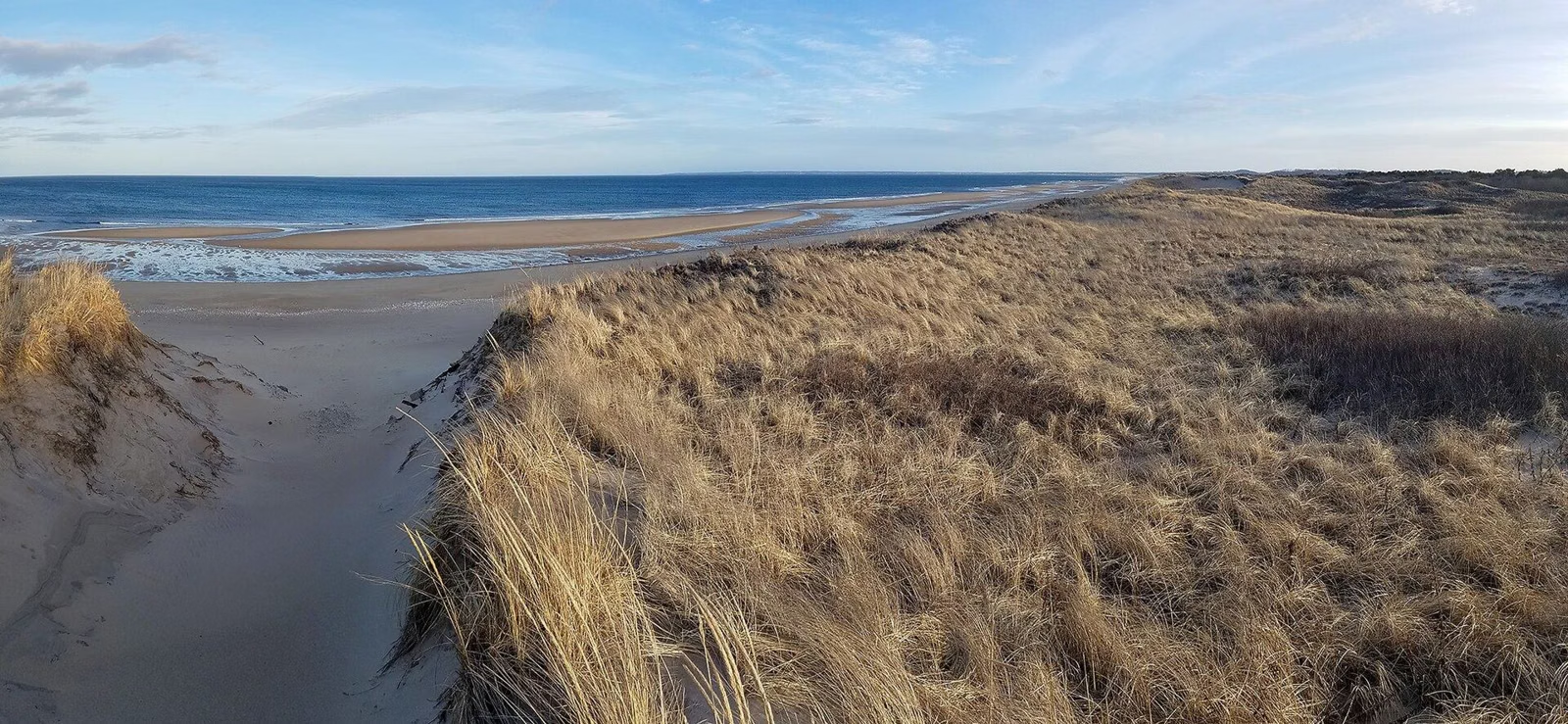
Parker River National Wildlife Refuge
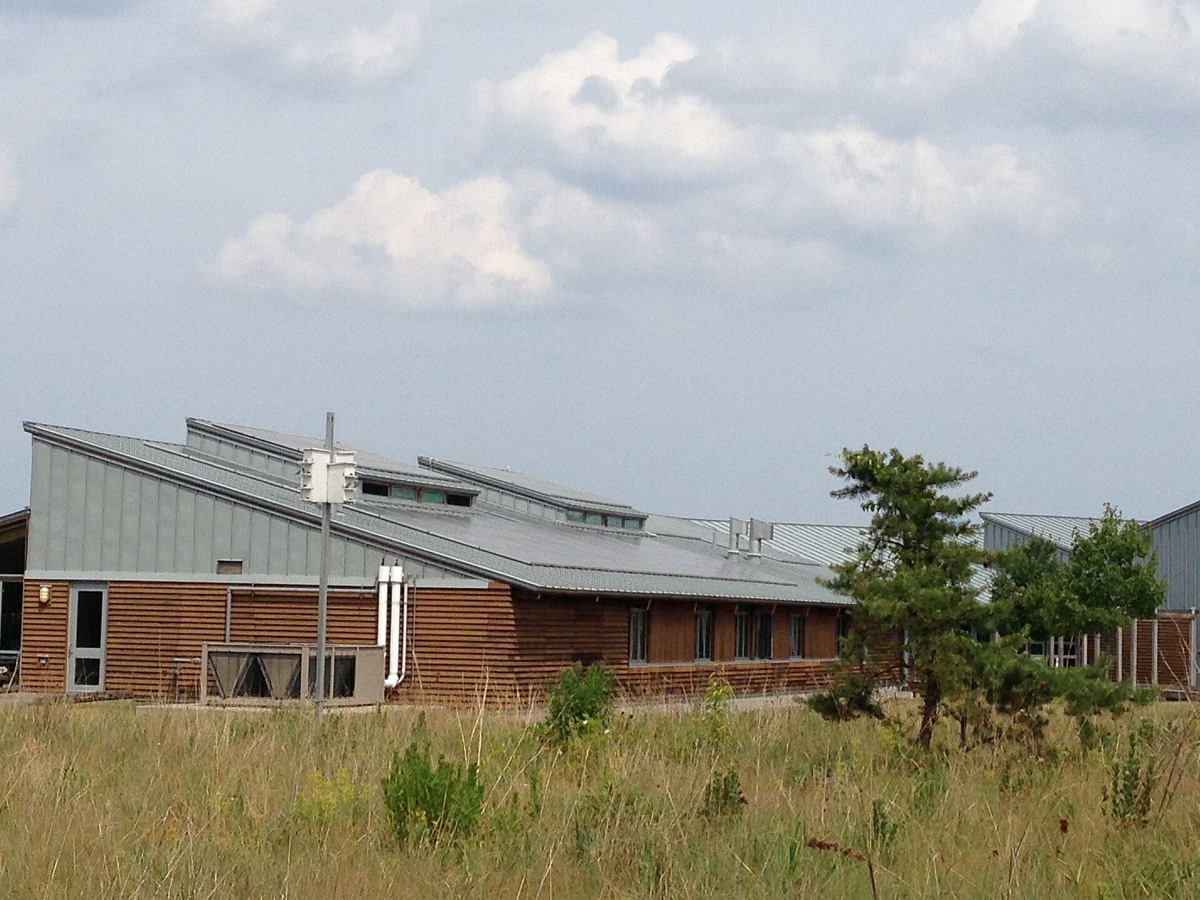
Parker River National Wildlife Refuge covers more than 4,700 acres of Plum Island and the surrounding marsh near Newburyport, Massachusetts, and is run by the U.S. Fish and Wildlife Service. It is open every day from sunrise to sunset. Cars pay $5 a day (cash or check at the gatehouse), and walkers and bikers enter free. Dogs and other pets are never allowed. From April 1 into August, most of the refuge beach is closed so piping plovers can nest. The visitor center is at 6 Plum Island Turnpike, Newburyport.
The Refuge at a Glance
What the Refuge Is
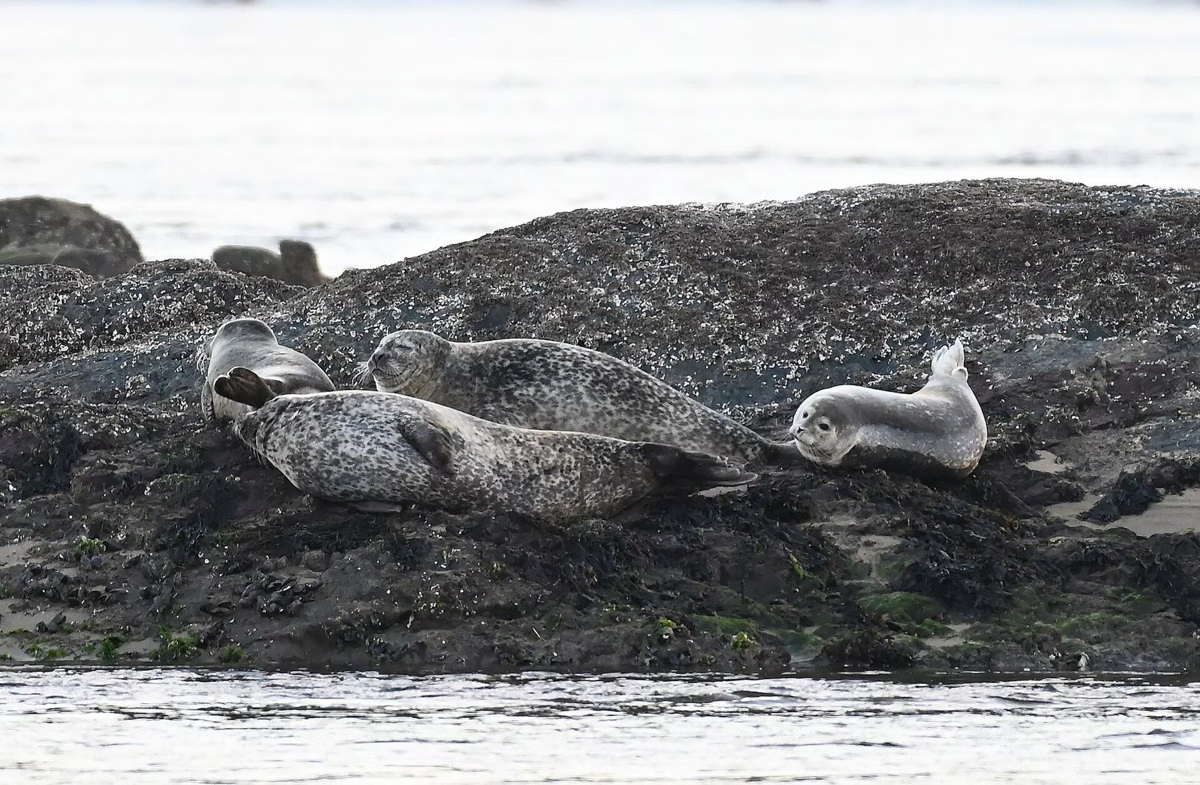
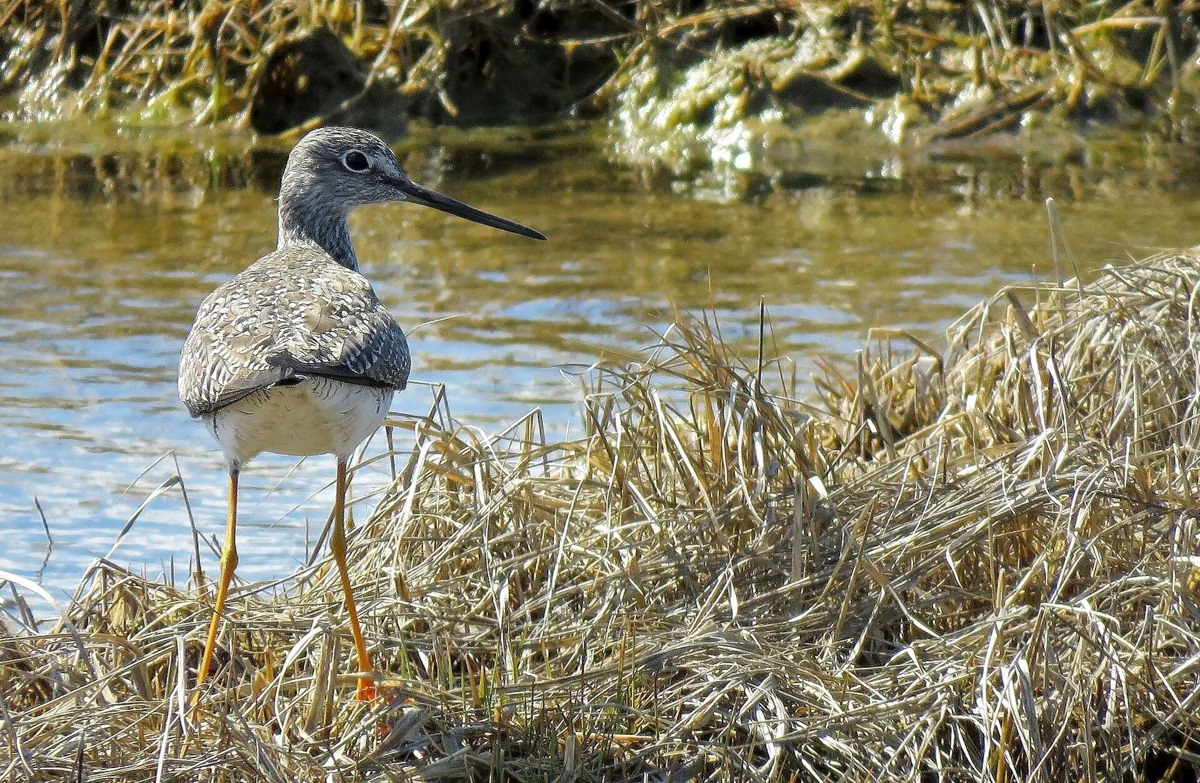
The refuge was established in 1941. Its land includes sandy beach and dune, maritime shrubs and forest, cranberry bogs, man-made impoundments (pools), salt marsh, creeks, river and mud flat. The Fish and Wildlife Service says more than 300 species of birds use it, and it is critical habitat for the piping plover, a federally threatened shorebird. As the refuge puts it, at a wildlife refuge wildlife comes first, which is why some rules are stricter than at a park.
Hours, Fees and Passes
- Refuge: sunrise to sunset, every day.
- Visitor center: Tuesday to Saturday, 9 a.m. to 4 p.m., subject to volunteer availability. Phone (978) 465-5753.
- Entry: $5 per car per day, covering everyone in the car. Cash or check only at the gatehouse.
- Free on foot or by bike.
- Annual and lifetime passes are sold at the gatehouse and visitor center (cash or check; call ahead), and many can be bought online.
When the Refuge Closes to Cars
In summer the refuge often closes to vehicles when its parking lots are full. The Fish and Wildlife Service suggests calling ahead or coming at quieter times: weekdays, or before 10 a.m. or after 3 p.m. on weekends. Walkers and bikers can still enter during a vehicle closure.
The Beach and the Plovers
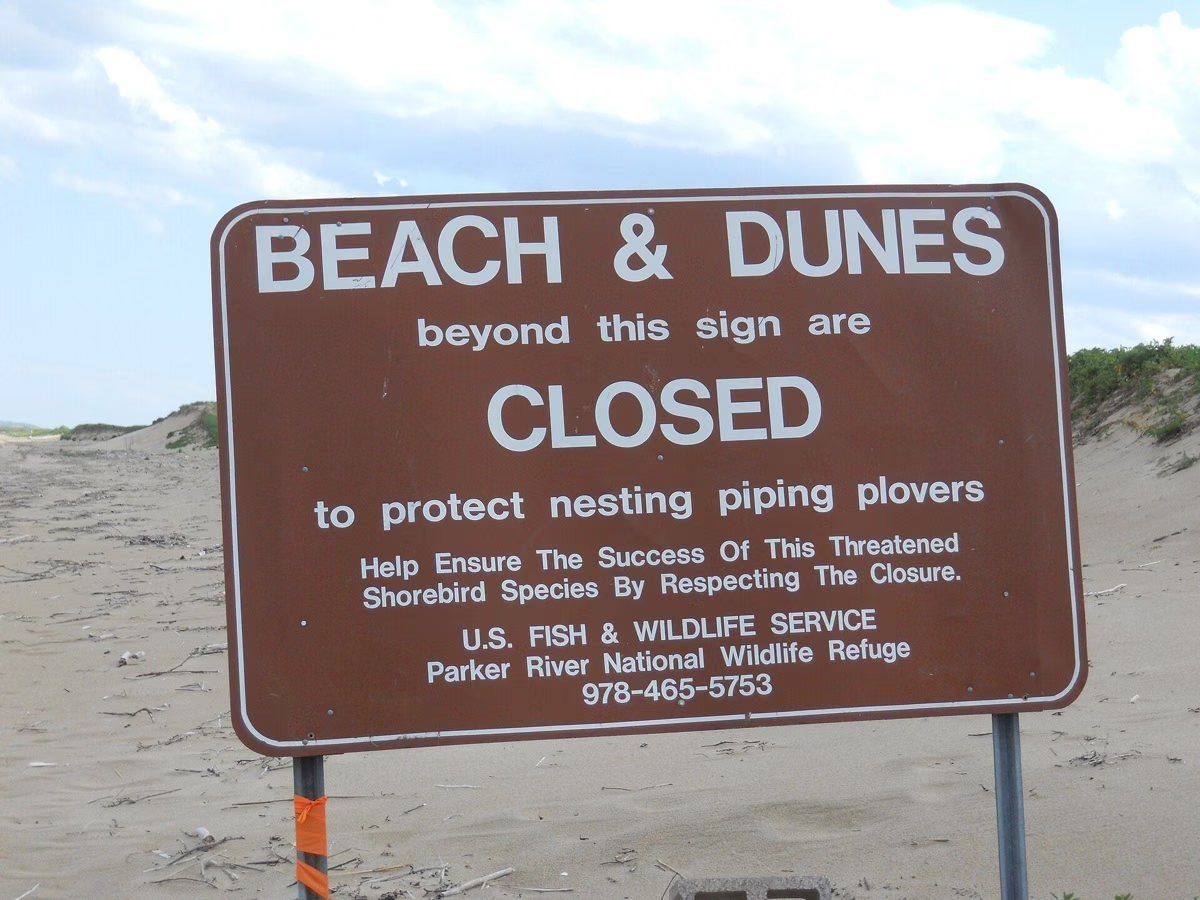
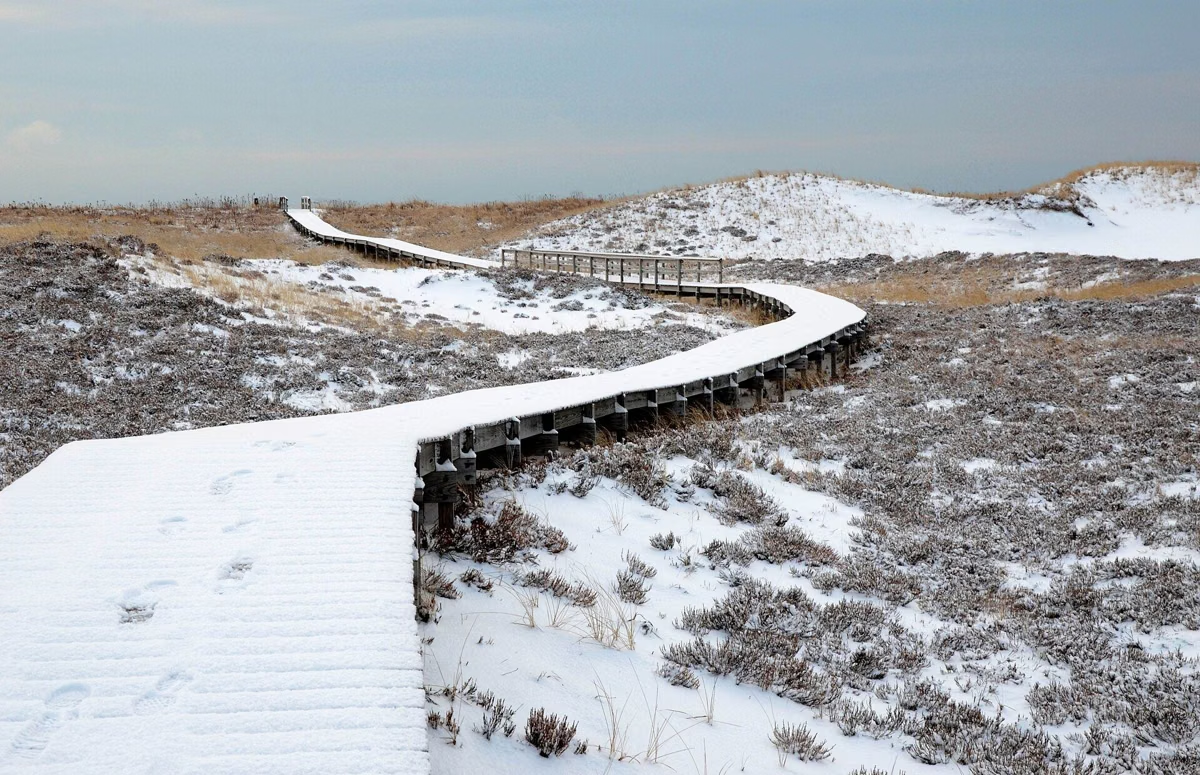
The refuge beach is good for watching shorebirds and sea ducks, exploring tide pools, swimming and beachcombing, but from April 1 into August most of it is closed to all public use to protect nesting piping plovers, terns and other shorebirds. Sections reopen as the chicks fledge in late summer. 'Area closed' signs mean closed to people, not just cars. You reach the beach only by the marked boardwalks from the parking lots; the dunes are closed. Leave every shell, stone, bone and piece of driftwood where you find it.
Trails and the Refuge Road
A 6.4-mile refuge road runs down the island, shared by cars, bikes and walkers; about 3.5 miles are paved, then gravel to the southern tip. The refuge asks walkers and joggers to face oncoming traffic. Trails off the road are short, mostly boardwalks:
- Hellcat Boardwalk Trail: 0.91 mile. Hellcat Cross Dike Trail: 0.30 mile.
- Stage Island Trail: 1.01 miles.
- Pines Trail: 0.24 mile, plus a 0.06-mile connector.
- Bill Forward Photo Blind Trail: 0.06 mile.
- Beach boardwalks from parking lots 1, 2, 3, 5, 6 and 7, each under a quarter mile.
Bikes and e-bikes are allowed on the refuge road only, never on trails, boardwalks or the beach; there is a bike fix-it station at the visitor center. The visitor center is also the northern end of the Bay Circuit Trail.
Accessibility
Wheelchair-accessible spots include the Hellcat Interpretive Trail boardwalk, the Pines Trail (crushed stone and earth), the beach overlooks at Lots 1, 3 and 7, the Salt Pannes pull-off, the North Pool Overlook and the Bill Forward Blind. A beach wheelchair is available at Lot 1 with at least two business days' notice to parkerriver@fws.gov.
What's Not Allowed
The refuge's prohibited list is long. Among the items visitors most often ask about: dogs and all other pets (service animals on leash excepted), horses, alcohol, camping, fires and grills of any kind, drones, kite flying, metal detectors, geocaching, collecting plants, shells or sand, feeding wildlife, launching boats without permission from headquarters, surfing and kite-surfing, and fat bikes on the beach. Ceremonies, including weddings, are allowed if refuge rules are followed.
Best Times to Visit
- Spring: songbird and warbler migration, late April through early June.
- Summer: the busiest season; surf fishing, shellfishing (with permits), biking and the beach once plover areas reopen.
- Fall: foliage, migrating shorebirds and ducks, and berry picking.
- Winter: owls, including barred, snowy and short-eared owls.
Pairing the Refuge with Maudslay
Dogs can't come to the refuge, but they can walk on a leash at Maudslay State Park, a short drive inland in Newburyport. For other beaches, the city's Plum Island Point Beach and DCR's Sandy Point bracket the refuge on either end (Plum Island beach guide). Official details: fws.gov/refuge/parker-river.
Refuge FAQ
How much does it cost to get into Parker River National Wildlife Refuge?
$5 per car per day, cash or check at the gatehouse. Walking or biking in is free.
What are the hours at Parker River National Wildlife Refuge?
Sunrise to sunset, every day. The visitor center is open Tuesday to Saturday, 9 a.m. to 4 p.m., subject to volunteers.
Are dogs allowed at Parker River National Wildlife Refuge?
No. Dogs and other pets are never allowed; only service animals on a leash.
Why is the beach closed at Parker River refuge?
From April 1 into August most of the refuge beach closes to protect nesting piping plovers, a federally threatened shorebird. Sections reopen as the chicks fledge.
Can you bike at Parker River refuge?
Yes, on the 6.4-mile refuge road only, including e-bikes. Bikes aren't allowed on trails, boardwalks or the beach.
Facts checked against the DCR page for Maudslay State Park on October 18, 2026.